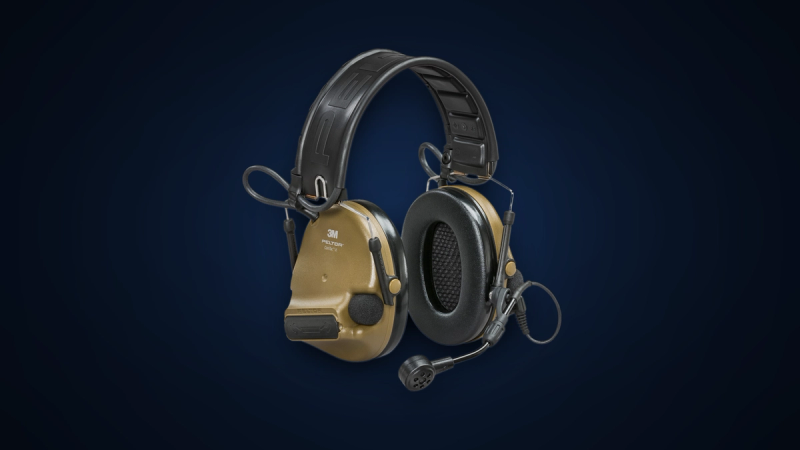
Directional Audio in Electronic Earmuffs: Why It Matters for Situational Awareness
Not all electronic hearing protection is equal. The feature that separates genuinely useful muffs from a basic upgrade over foam plugs is directional stereo audio — and for hunters and anyone in a dynamic environment, it's the baseline capability worth buying toward.
White Phosphor vs. Green Phosphor Night Vision: The Real Tradeoff
White phosphor costs more and offers better contrast and less eye fatigue. Green phosphor leverages the eye's peak sensitivity and costs less for equivalent tube quality. Here's what phosphor actually does, why neither wins in every situation, and how to decide.
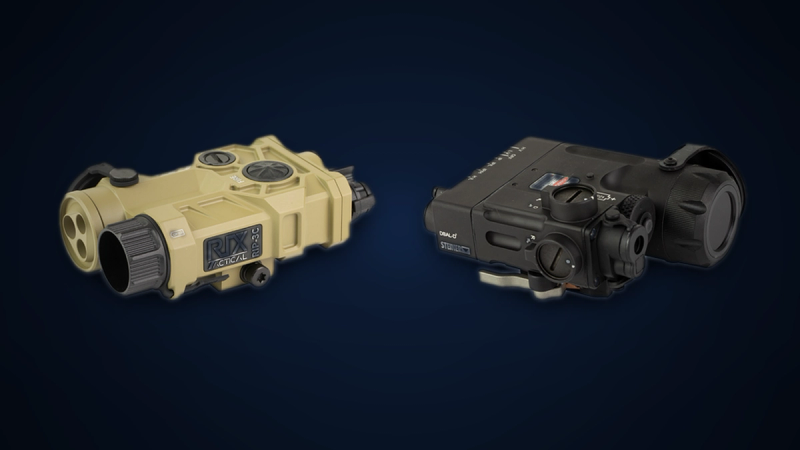
IR Lasers and IR Illuminators: The Difference Most Buyers Miss
Both are invisible to the naked eye and both are used with night vision — but IR lasers and IR illuminators do completely different things. Here's what each one actually does, when you need each, the civilian legal landscape for IR lasers, and what to look for when buying.
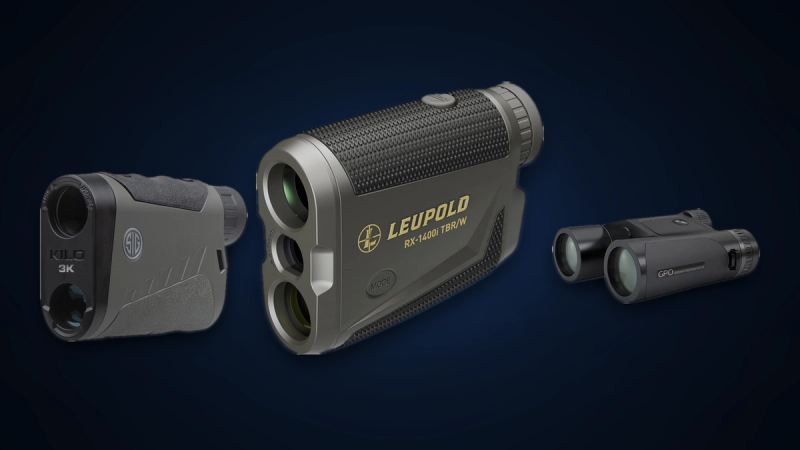
Angle-Compensating Rangefinders Explained: Why Raw Distance Isn't Always What You Need
On flat ground, slant range is all you need. The moment terrain angles into the picture — mountain hunting, treestands, canyon shots — raw distance becomes misleading. Here's why gravity doesn't care about your hypotenuse, and what angle compensation does about it.
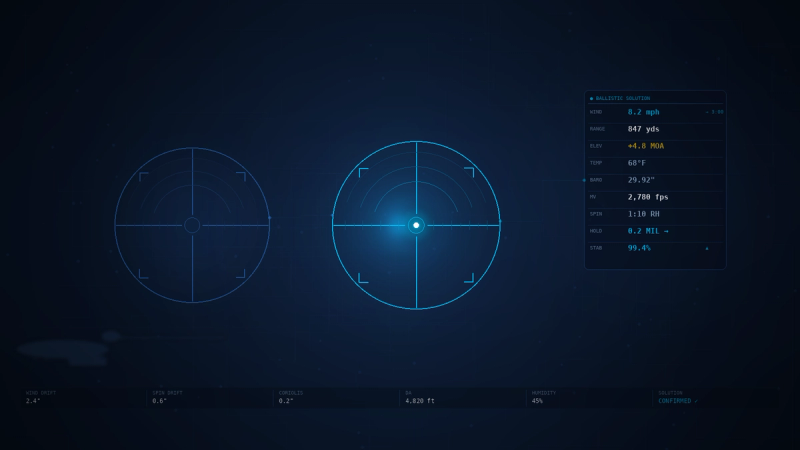
The Shooter's Edge: How Technology Is Reshaping the Way We Train, Compete, and Operate
Technology in shooting has never been better — but the difference between leveraging it and depending on it determines whether it makes you a more capable shooter or just a better-equipped one.
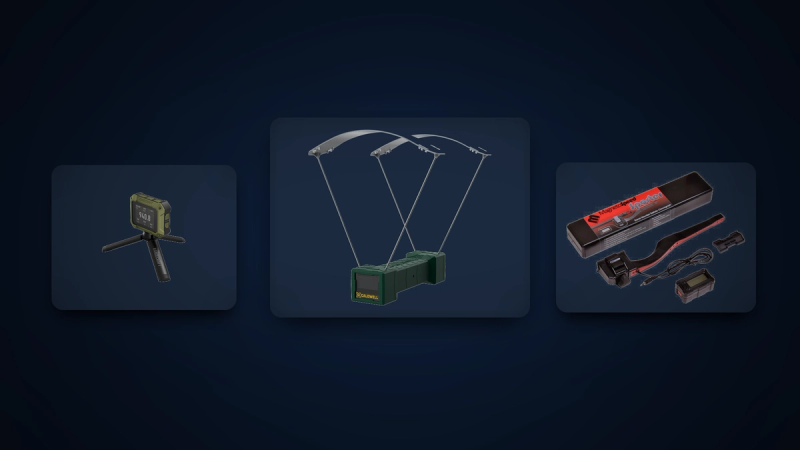
Chronograph Comparison: Traditional Optical, Barrel-Mounted, and Doppler Radar
Not all chronographs work the same way. Here's a straight comparison of traditional optical skyscreens, barrel-mounted magnetic sensors, and doppler radar units — covering setup, accuracy, connectivity, record keeping, limitations, and cost.
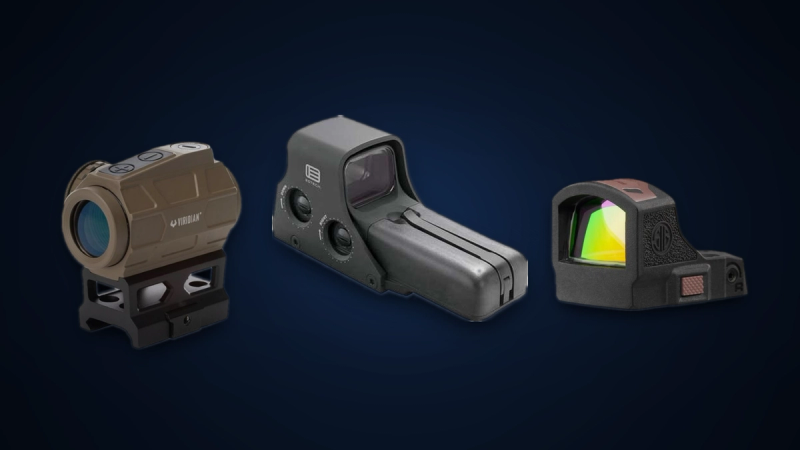
Red Dot Sights vs. Holographic Sights: Technology, Performance, and When to Choose Which
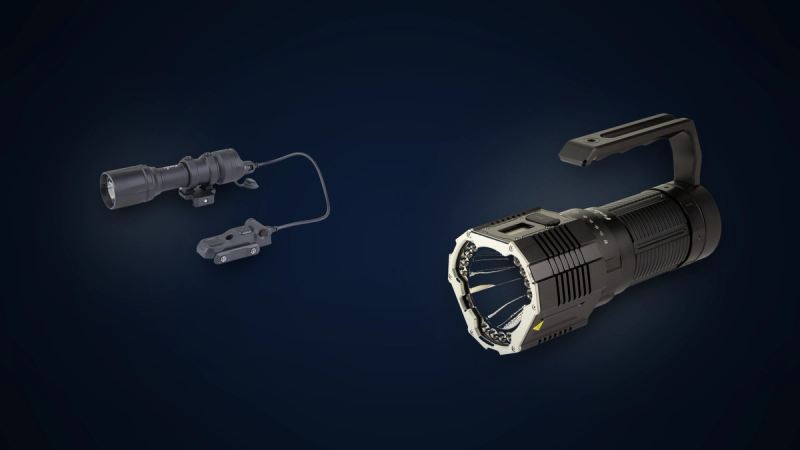
Weapon Light Output Specs Explained: Lumens vs. Candela and Why Both Matter
Lumens and candela both describe light output but measure completely different things. Here's what each spec actually tells you, how beam design connects them, and which number matters most for home defense, hunting, and handheld use.
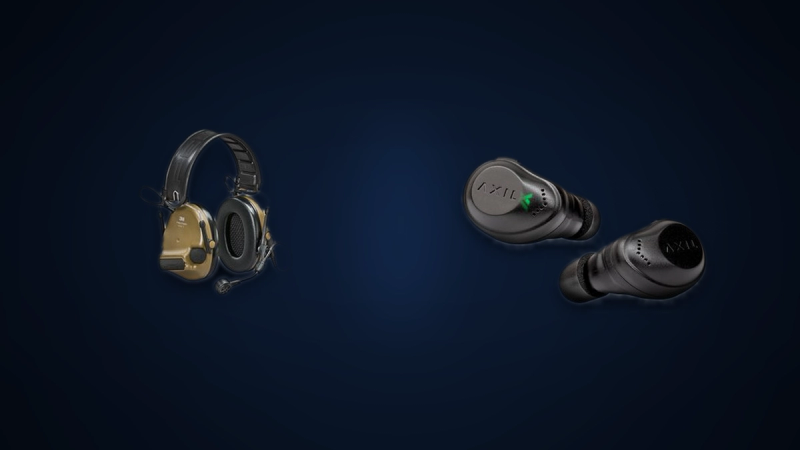
Electronic Hearing Protection: Why Serious Shooters and Hunters Don't Settle for Passive
Passive hearing protection blocks the shot — and everything else. Electronic muffs protect your hearing while amplifying ambient sound, enabling communication, and making you more aware in the field. Here's how they work and what to look for.
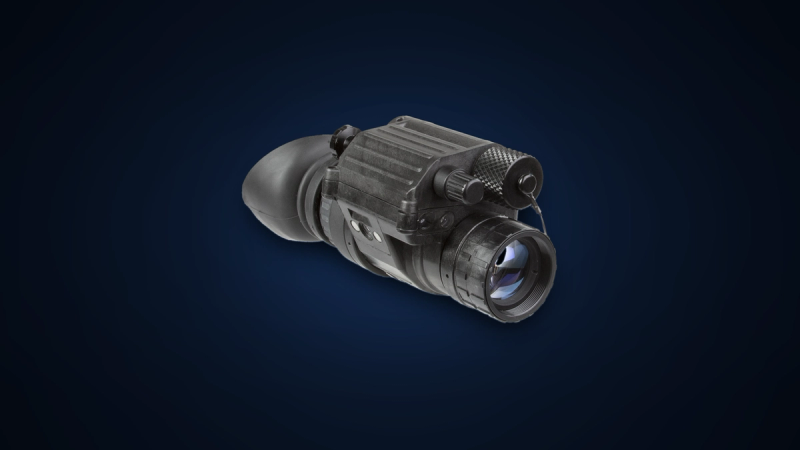
Figure of Merit (FOM): The Most Important Spec in Analog Night Vision
FOM is the most commonly cited spec for analog night vision tubes — and the most misunderstood. Here's what Figure of Merit actually measures, why two tubes with identical FOM can perform very differently, and what the number ranges mean in the real world.
Kestrel Weather Meters for Shooters: What They Measure and Why It Matters
Technology Explained
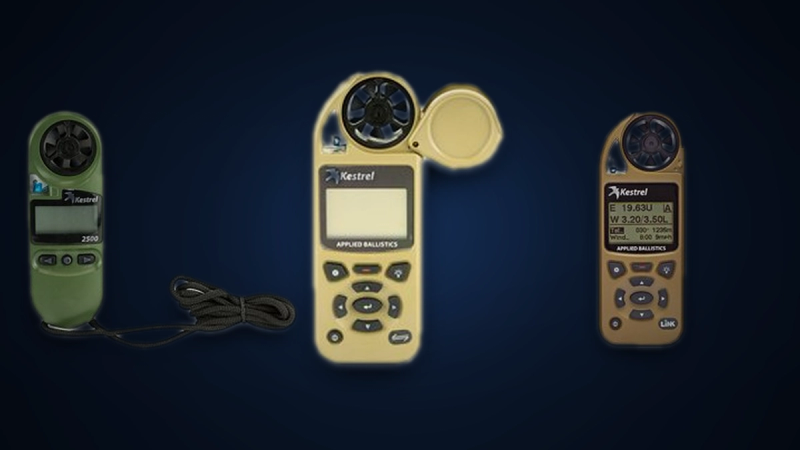
Summary: At distance, environmental conditions determine where your bullet hits. Here's what Kestrel weather meters actually measure, why it matters for hunters and long range shooters, and how to choose between the entry-level units and the flagship Applied Ballistics models.
Night Vision Generations Explained: Gen 1, Gen 2, and Gen 3
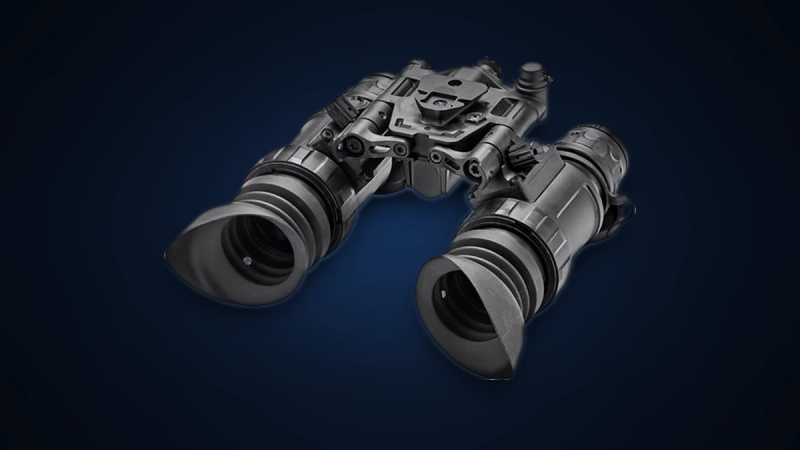
The generation label is the most important spec on any analog night vision device. Here's what Gen 1, Gen 2, Gen 2+, and Gen 3 actually mean technically — plus realistic pricing, image quality, effective range, and how each stacks up against modern digital NV.
Laser Rangefinders: How They Work and What Actually Determines Maximum Range
That max range number on the box isn't what you'll get on a deer in the field. Here's how laser rangefinders actually work, what limits real-world range by target type, and a plain-language breakdown of every angle compensation method from basic HCD to full ballistic solvers.
Digital vs. Analog Night Vision: Real Tradeoffs Beyond the Price Tag
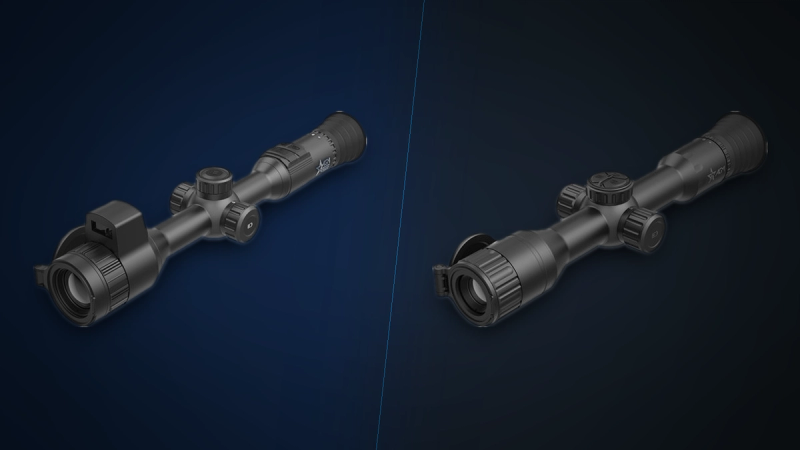
Digital NV has made night vision accessible at a fraction of the cost of tube-based systems. But the two technologies have real differences that matter in the field. Here's an honest breakdown of sensitivity, image lag, IR illuminators, and when digital is the right call.
Thermal vs. Night Vision: What's Actually Different and When Does Each One Win?
Thermal and night vision both let you see in the dark, but they work on completely different physics. Here's what each does well, where each fails, and how to choose.