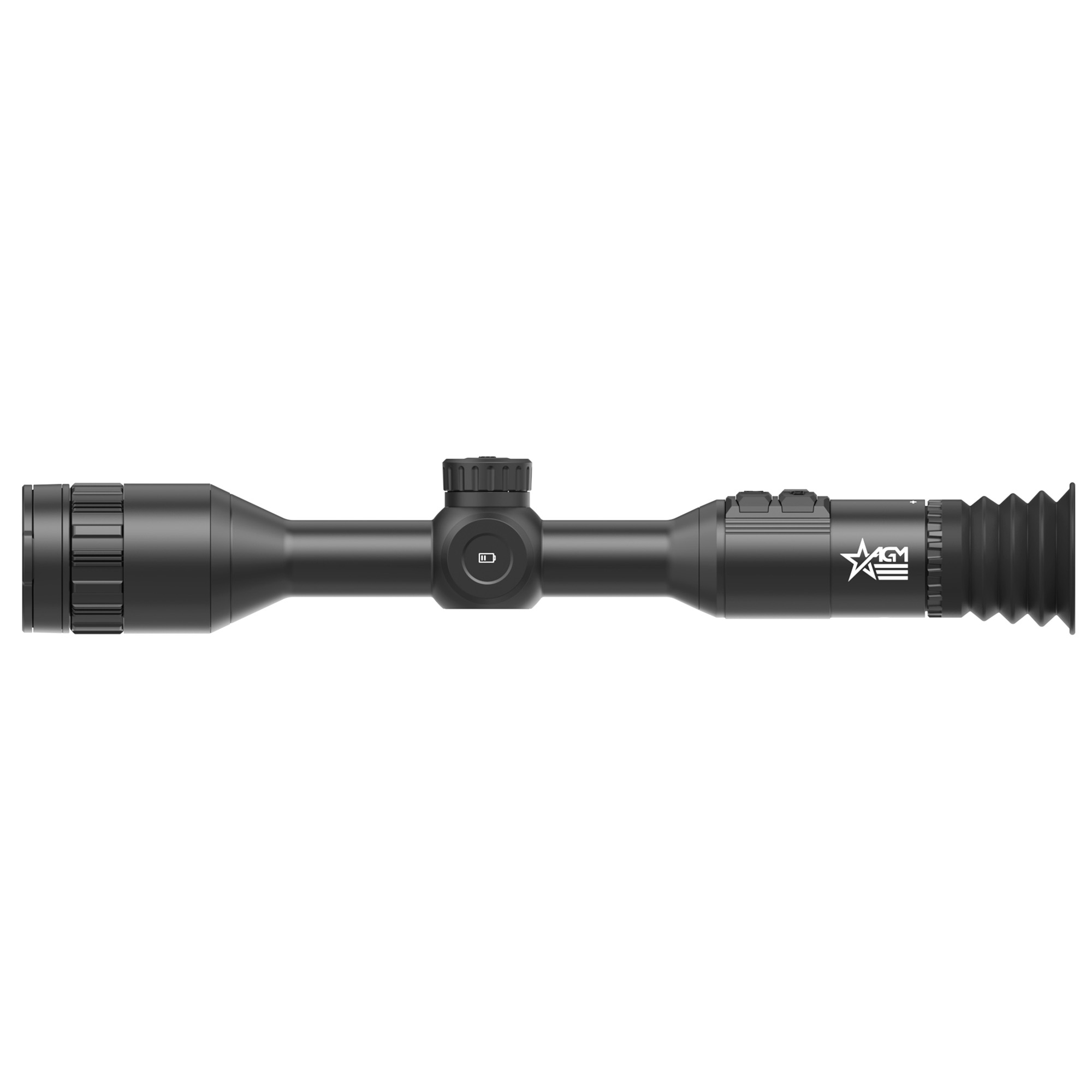
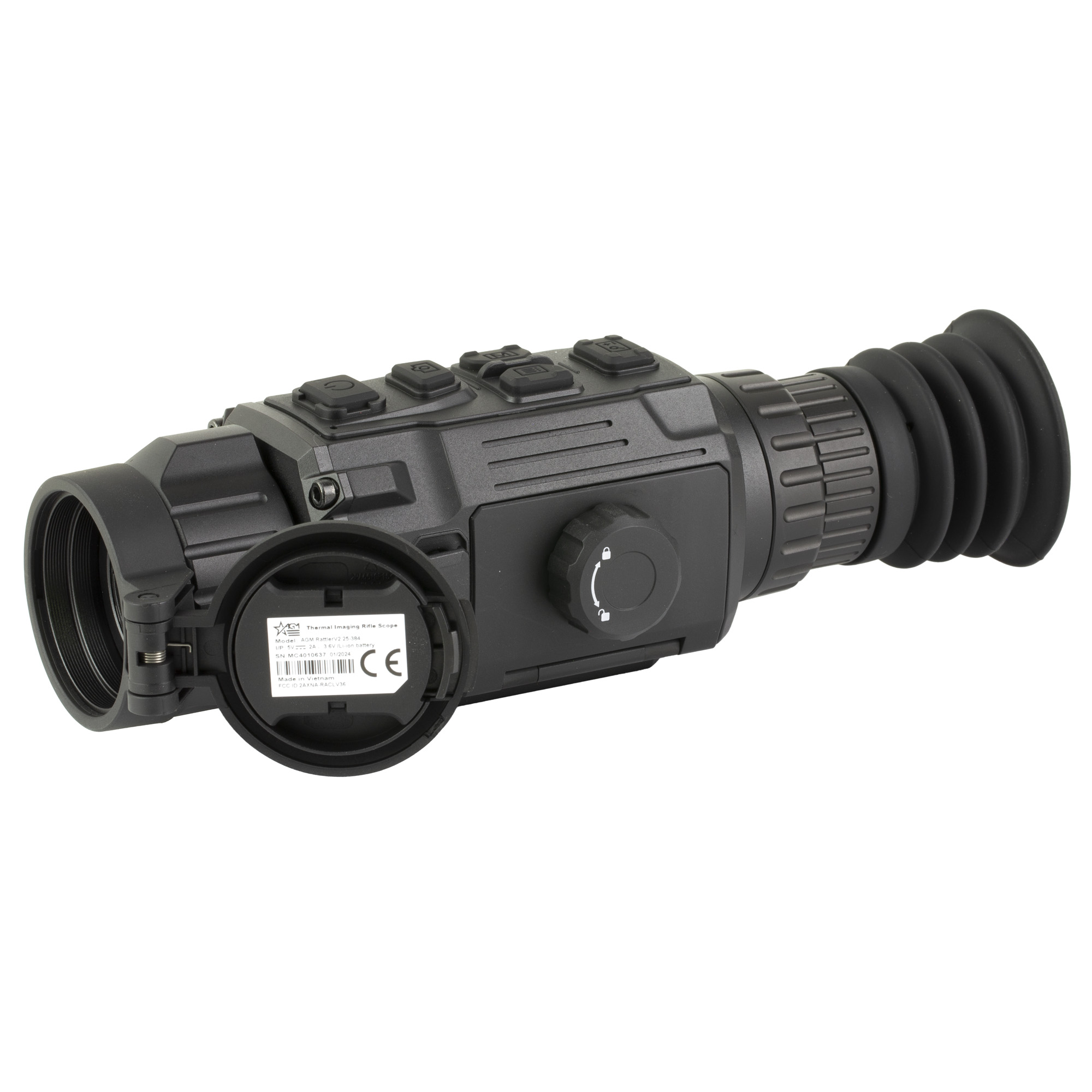
Thermal vs. Night Vision: What's Actually Different and When Does Each One Win?
If you've spent any time shopping for low-light or no-light optics, you've run into this question. Both thermal and night vision let you see in the dark. Both show up on the same product pages. Both carry serious price tags. But they work on completely different physics, they each have real limitations the other doesn't, and for most use cases, one is meaningfully better than the other. Here's a straight technical breakdown.
How they actually work
Night vision is a light amplification technology. It captures the tiny amount of ambient light that exists even on dark nights — moonlight, starlight, distant artificial light — and amplifies it tens of thousands of times through an image intensifier tube. What you see is still a real optical image of your environment, just dramatically brightened. The scene looks like a scene. Faces look like faces. Text is readable. Fine detail is preserved.
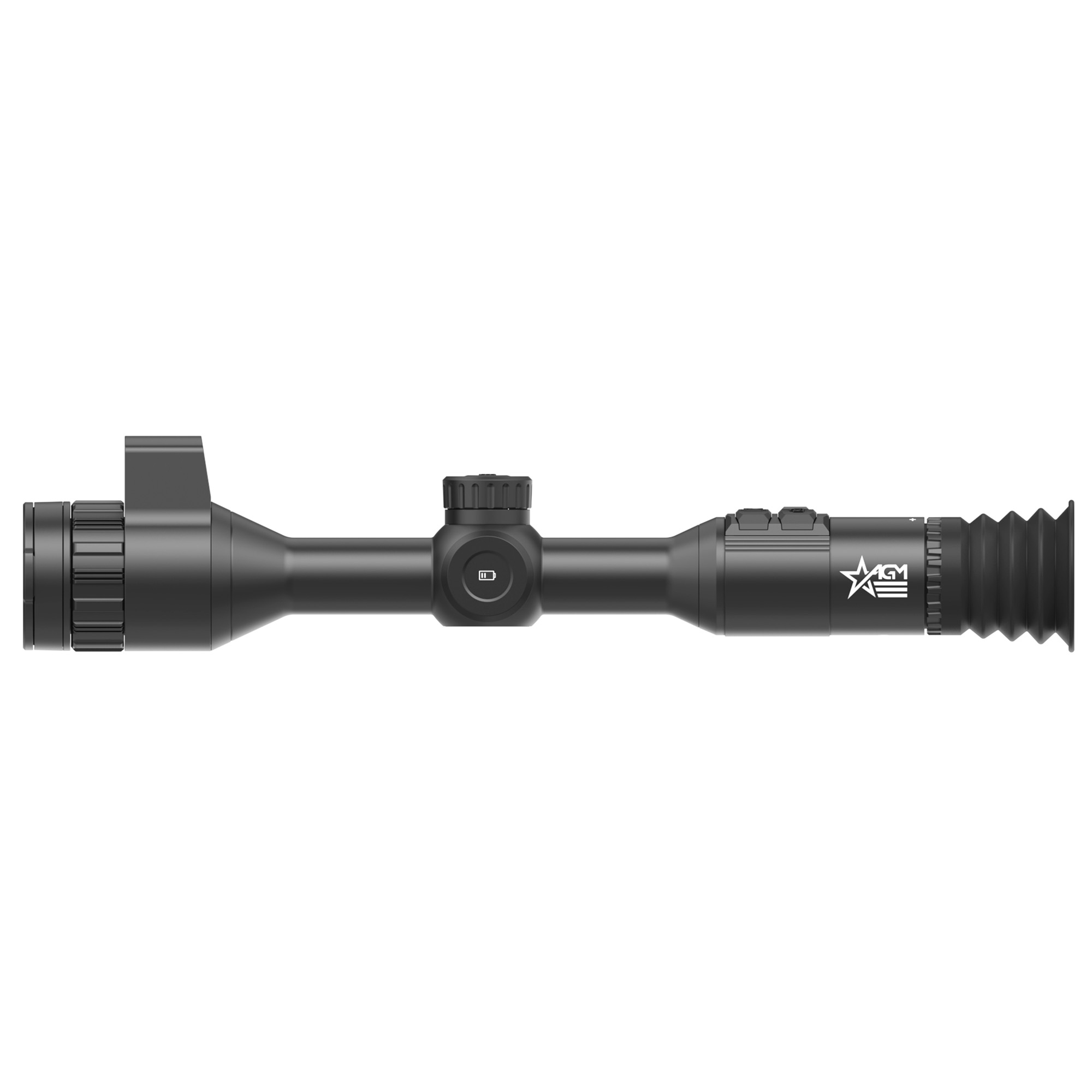
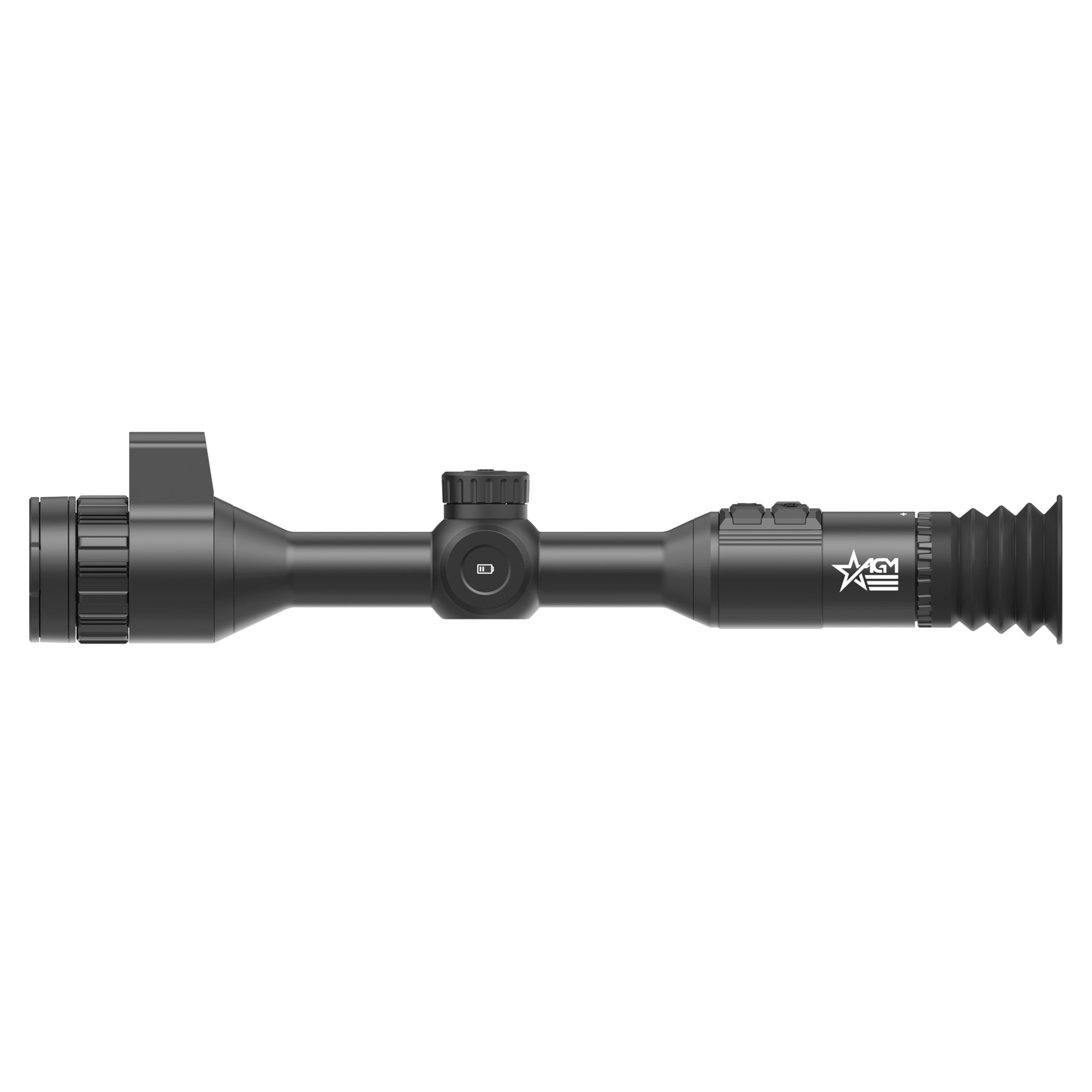
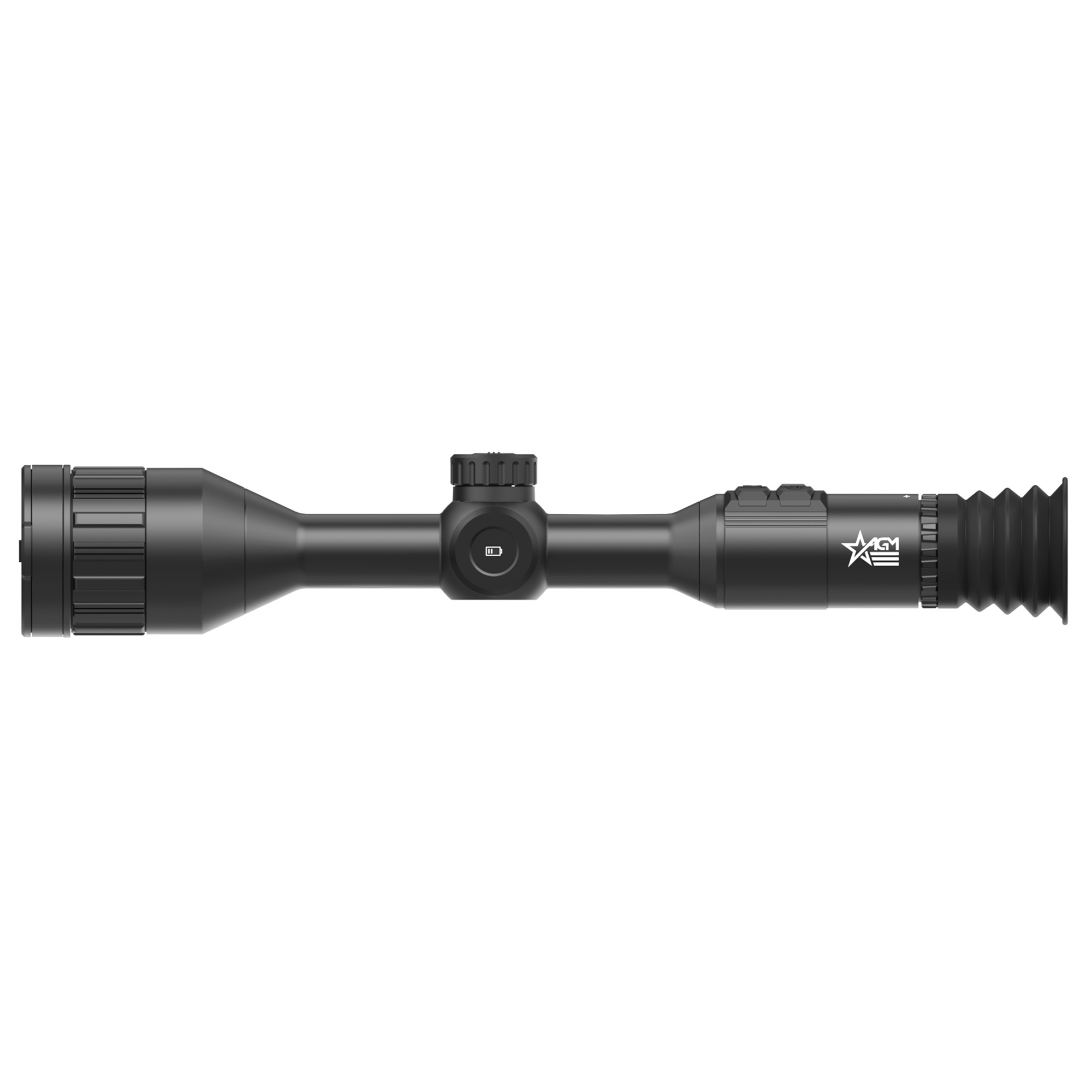
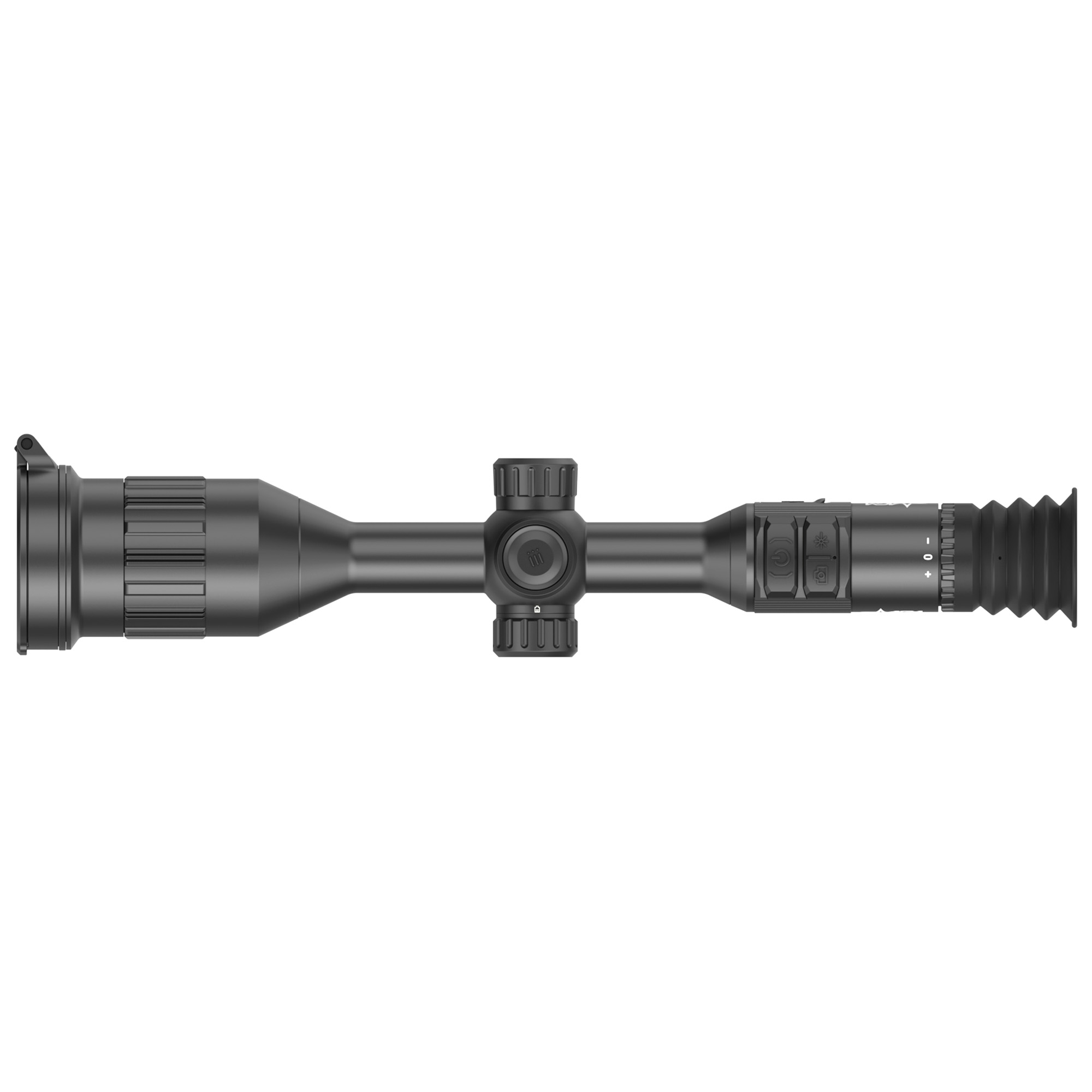
Thermal imaging works on an entirely different principle. It doesn't use light at all. Instead, it detects infrared radiation — heat — emitted by every object in the scene. Warmer objects appear brighter; cooler objects appear darker. A deer standing in a field radiates more heat than the surrounding grass, so it shows up clearly. A vehicle engine running hot glows against a cool background. The image is built entirely from temperature differences, not reflected light.
This fundamental difference in how the two technologies work is the root cause of almost every tradeoff between them.
What night vision does well
Because NV is capturing a real optical image, it preserves detail in a way thermal simply cannot match. This has practical consequences that matter:
Target identification. This is where NV has a clear and significant advantage. If you need to positively identify what you're looking at — confirm it's a threat, confirm it's the animal you're hunting, read a face or a number plate — night vision can do that. Thermal frequently cannot. A human body at 200 yards through a thermal scope is a bright blob of heat. You know something is there. You often cannot confirm what it is.
Reading the environment. NV shows you the actual terrain. You can see rocks, brush, fences, water, trail markers. Navigating with NV is close to navigating in daylight. Thermal shows you temperature contrast — and if the ambient temperature is close to the temperature of terrain features, those features essentially disappear.
Performance in certain weather. Light fog, light rain, and smoke that would seriously degrade thermal performance are less problematic for NV, depending on severity.
Cost at the entry level. Capable Gen 2+ NV monoculars start at prices that would only buy a low-end thermal. For a budget-constrained buyer whose primary need is identification, NV often makes more financial sense.
What thermal does well
Detection in conditions where NV shows you nothing. Total darkness, heavy overcast, and environments where an animal or person is holding still against a visually complex background — these are all situations where thermal has a fundamental advantage. NV needs some ambient light to amplify. Thermal doesn't care. Zero lux is the same as 0.001 lux to a thermal sensor.
Detection through sparse cover — with an important caveat. Thermal's ability to see through vegetation is real but frequently overstated. The physics matter here: thermal detects radiation, and vegetation absorbs and re-radiates heat. Sparse cover — scattered tall grass, a thin hedgerow, a few branches — won't hide a warm body. The heat signature bleeds through. But dense, thick vegetation is a different story. Something with enough mass behind it creates a thermal barrier, and a target positioned directly behind heavy brush may not be visible at all. The rule of thumb: if there's an air gap between the target and the vegetation, you'll likely see it. If the target is pressed against dense foliage or buried in it, thermal may not penetrate.
This matters practically. For hunting: a deer standing in open terrain or light brush will glow clearly. That same deer bedded tight in a thick cedar thicket may not be visible until it moves. For security: scanning an open field or thin tree line works extremely well; a person using heavy cover deliberately is a different problem. For tactical use: understanding this limitation is critical — thermal does not automatically defeat concealment.
The same physics apply to man-made concealment. A person wrapped tightly in a tarp will transfer body heat into the tarp, which then radiates — and thermal will see it. But a tarp rigged as a tent with an air gap between the material and the body creates a thermal barrier. The tarp reaches ambient temperature, and the heat signature underneath is hidden. This is a well-understood countermeasure in tactical contexts and worth knowing when evaluating thermal's detection capabilities.
No sensitivity to direct light. Image intensifier tubes — the heart of analog NV — can be permanently damaged by exposure to bright light sources. Looking at a lit window, a vehicle headlight, or sunrise through an NV device can destroy the tube. Thermal has no such vulnerability. You can scan freely without worrying about what's in the field of view. For security applications where you're regularly scanning areas with mixed light conditions, this is a meaningful operational advantage.
Rain, dust, and obscurants. Heavy smoke, dust clouds, and certain atmospheric conditions that scatter light badly will degrade NV significantly. Thermal cuts through much of this because heat radiation behaves differently than visible light. In a hog hunting context where a dusty field kick-up or foggy bottom land might obscure an NV image, thermal often continues to perform.
Warm-blooded animals and people stand out. In any environment where background temperature differs meaningfully from body temperature, warm-blooded targets are conspicuous on thermal. This is the core reason thermal dominates in hog and predator hunting — you're covering ground and scanning for heat signatures, not trying to read fine detail. For security applications, the same principle applies: a person on a property perimeter at night is a bright object against a cooler background. You see them immediately, before NV would pick up movement or shape.
The identification problem — why it matters
This deserves its own section because it's the most practically important limitation of thermal, and it's one that's easy to underestimate from a spec sheet.
Thermal shows you heat signatures, not objects. At close range, with a high-resolution sensor (640×480 or better) and a quality lens, you can often make out recognizable shapes — the outline of a human, antlers on a deer, the shape of an animal's head. But as range increases, or as sensor resolution decreases, or as the temperature differential between the target and background narrows, that detail collapses.
The practical implication: thermal tells you something is there. It frequently cannot tell you what it is with certainty.
For hog hunting over a bait station at known ranges with known species — no problem. For predator hunting where you're confirming you're not looking at a dog or a coyote — harder. For any situation with legal, ethical, or safety stakes attached to positive identification — thermal alone is often not sufficient.
This is why serious low-light setups increasingly pair thermal with NV: use thermal to detect and locate, then use NV or a dedicated white-light system to identify before taking action.
Where each technology genuinely struggles
Night vision limitations:
- Requires some ambient light (or a supplemental IR illuminator, which has its own tradeoffs)
- Image intensifier tubes are vulnerable to bright light — can be damaged or temporarily blinded
- Foliage and concealment work. Thermal doesn't care about camouflage; NV can be fooled
- Image quality degrades significantly in rain, fog, and smoke
- At longer ranges, fine detail is still limited compared to daytime optics
- Tubes degrade over time and eventually need replacement — a real cost of ownership factor
Thermal limitations:
- Target identification is the core weakness. You can see something is there; confirming what it is requires more
- Dense vegetation defeats thermal — sparse cover doesn't hide much, but thick foliage or any setup with an air gap between the target and the material creates a thermal barrier
- Glass is opaque to thermal radiation — you cannot see through a standard window with a thermal imager
- Thermal contrast diminishes when ambient temperatures approach body temperature — hot summer days in the South make thermal significantly less effective
- No image in the traditional sense — experienced users adapt, but reading text, signs, and fine environmental detail is difficult or impossible
- Higher cost for equivalent quality compared to NV
- Some thermals have export restrictions due to their military applicability — worth being aware of when purchasing
So which one do you actually need?
It depends almost entirely on the primary use case.
Choose thermal if: Your primary need is detection and location. You're hunting hogs or predators at night, running perimeter security, or searching large areas for warm-blooded animals. You want the ability to find things in total darkness and through concealing vegetation. You can tolerate ambiguity on identification or you're working in a context where identification isn't the critical question.
Choose night vision if: Your primary need is identification and navigation. You're in environments where you need to confirm what you're looking at before taking action. You need to move through terrain safely. You're working in an environment with existing ambient light (even very low levels). Budget is a constraint.
Consider running both if: The mission involves detection and identification under the same conditions. This is increasingly common in professional and serious sporting contexts — a thermal monocular or clip-on for scanning and detection, NV for identification. The two technologies genuinely complement each other rather than duplicate.
A note on digital NV
It's worth mentioning that a third category — digital night vision, which uses a digital camera sensor rather than an image intensifier tube — has grown significantly. Digital NV devices are generally less expensive and more durable (no tube to damage or degrade), but they lag behind quality analog NV in sensitivity and resolution in true low-light conditions. That comparison deserves its own dedicated article, but when evaluating "night vision" products, it's worth knowing that not all of them use the same underlying technology.
HildiTech carries thermal optics, night vision monoculars and clip-ons, and accessories for both. If you have questions about what makes sense for your specific use case, reach out — this is exactly the kind of question we're built to answer.