Digital vs. Analog Night Vision: Real Tradeoffs Beyond the Price Tag
The night vision market has changed significantly in the last several years. A category that was once essentially one technology — image intensifier tubes at serious prices — now includes a growing range of digital devices that look similar, mount the same way, and cost a fraction of the price. That's genuinely good news for buyers entering the space. But digital and analog NV are not the same technology, and the differences matter depending on how you intend to use it. Here's an honest breakdown.
What the two technologies actually are
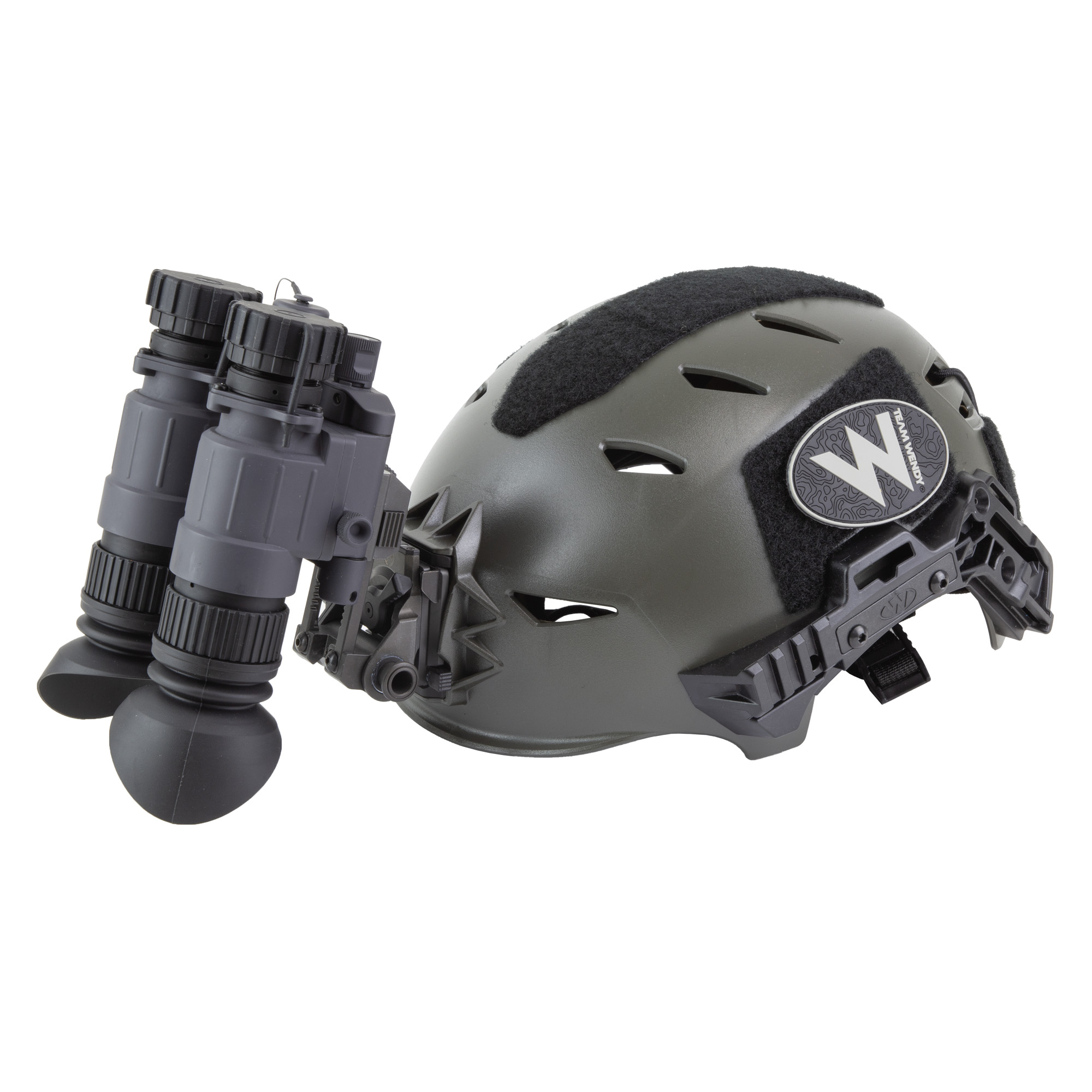
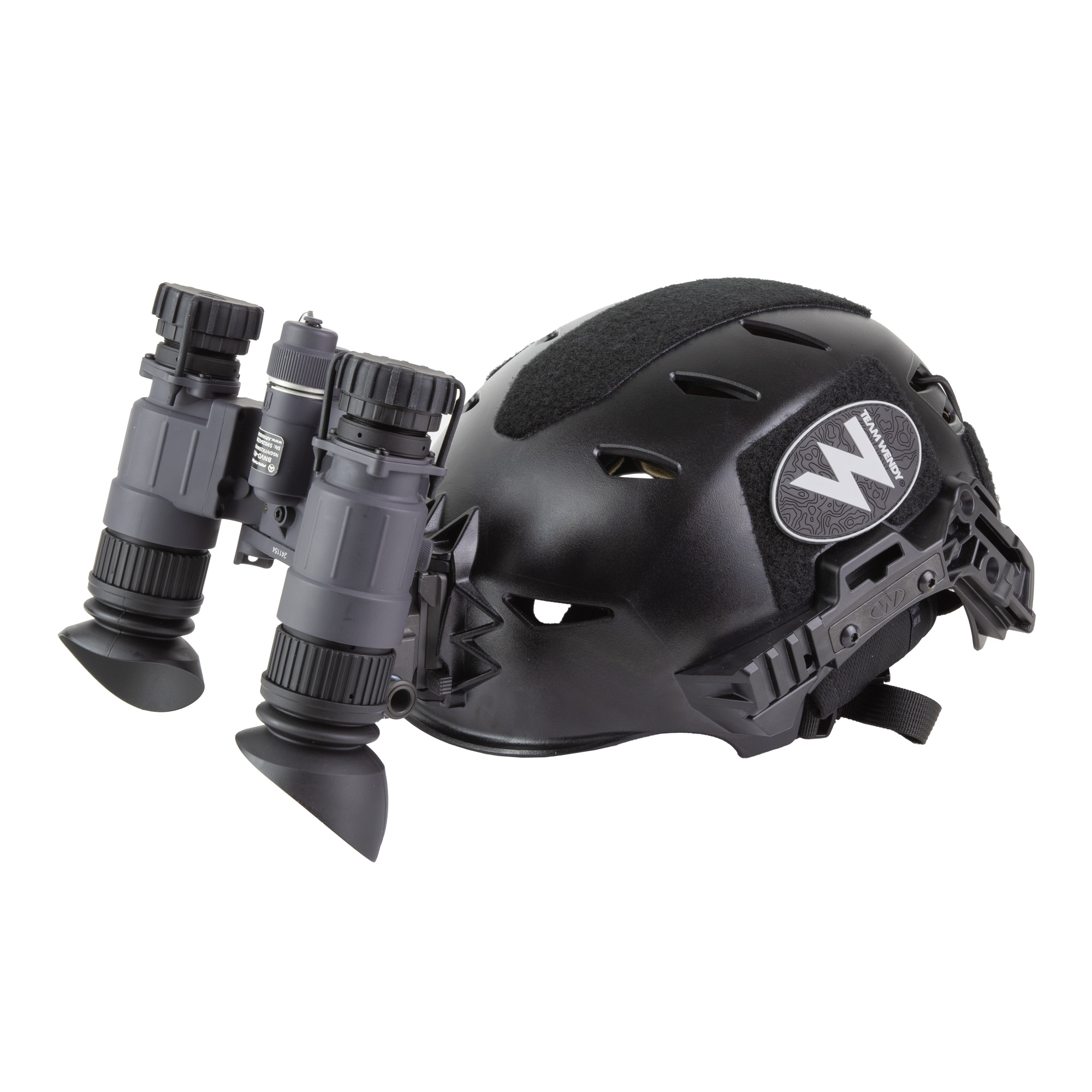
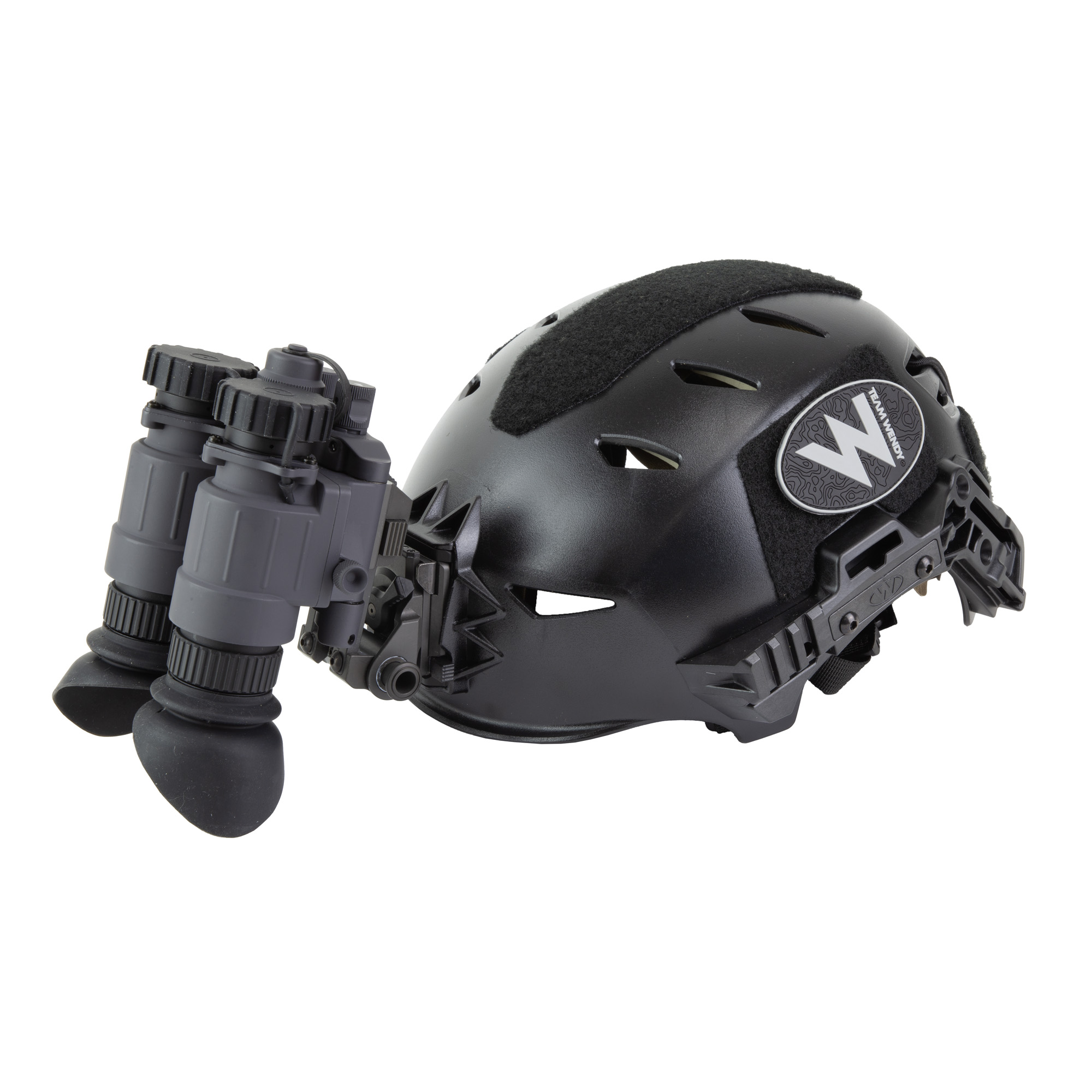
Analog night vision — often called "real NV" or "tube NV" — uses an image intensifier tube (IIT). Ambient light enters through the objective lens, strikes a photocathode that converts photons to electrons, those electrons are multiplied through a microchannel plate, and the amplified signal is converted back to visible light on a phosphor screen. The result is an optical image that is genuinely amplified — passively, without any active light source required. The quality of the tube is the quality of the device. Gen 1, Gen 2, and Gen 3 designations refer to the generation of tube technology, with meaningful performance differences between them.
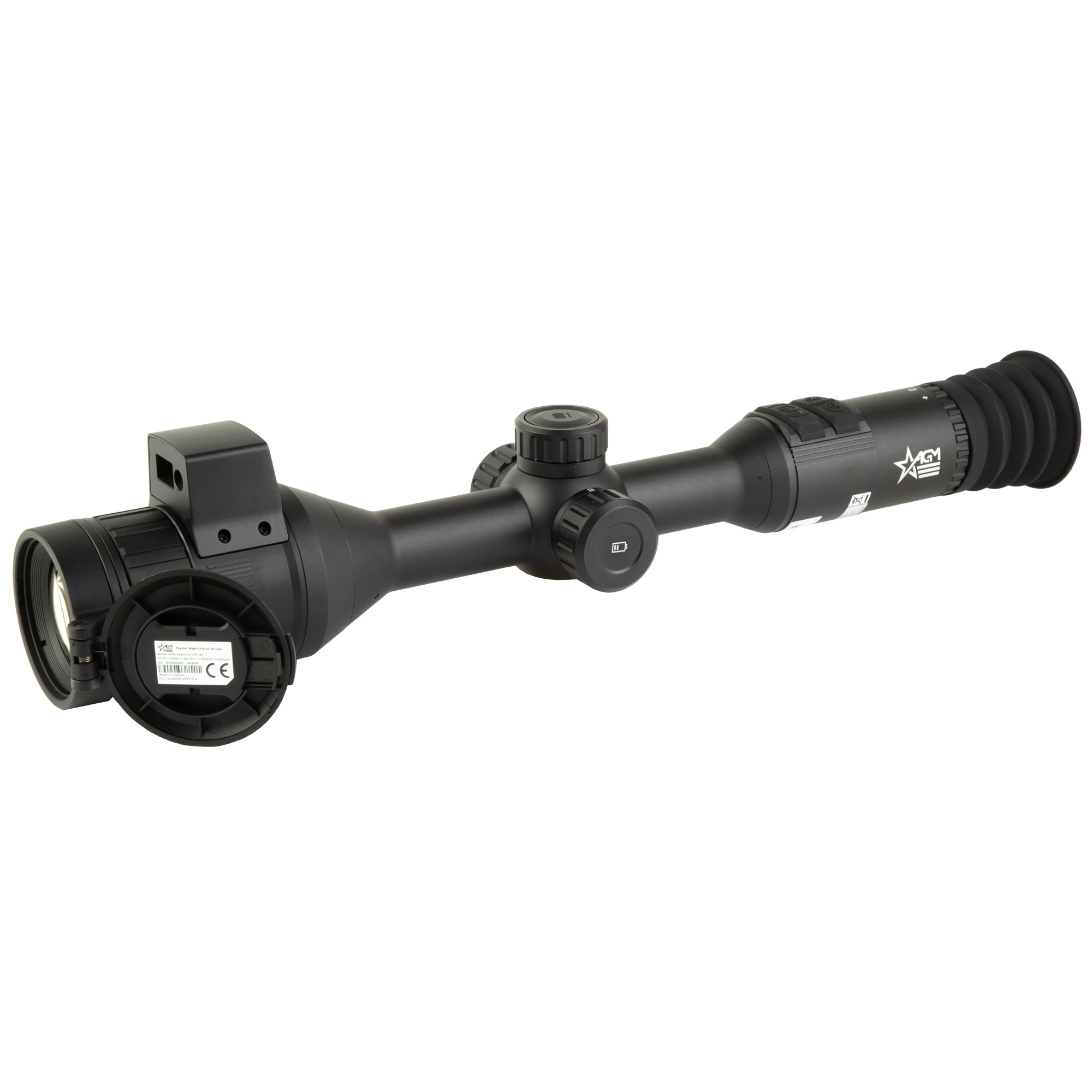
Digital night vision uses a highly sensitive digital image sensor — similar in principle to what's in a modern camera — combined with an infrared illuminator. The sensor captures what little available light exists plus the IR illumination it generates, processes it digitally, and displays the result on an internal screen that you view through the eyepiece. There's no tube. The image is electronic from start to finish.
This fundamental difference drives almost every practical tradeoff between them.
Cost: the most important difference for most buyers
There's no way around it — this is the biggest practical distinction for the majority of people entering the NV market.
A capable digital NV monocular can be had for a few hundred dollars. A quality Gen 2 tube device starts around $1,500 and rises quickly from there. Gen 3 — the standard for serious professional and military use — starts at roughly $3,000 for a monocular and goes well past $10,000 for high-end binocular systems with quality tubes.
That price gap is significant enough to change who has access to the capability at all. For a hunter who wants to run a feeder at night, a homeowner who wants to monitor a property perimeter, or a shooter who wants to understand what NV looks and feels like before committing to a serious system — digital NV is a legitimate entry point. You're getting real capability at an accessible price.
The cost difference also means digital is often the right answer for dedicated device roles where you'd rather not risk an expensive tube — a fixed security camera, a vehicle-mounted unit, a backup device carried in a pack. Losing or damaging a $400 digital unit is a very different situation than losing a $4,000 tube monocular.
Where analog pulls ahead: low-light sensitivity
This is the core performance gap, and it's real.
Image intensifier tubes — particularly Gen 2 and Gen 3 — can amplify extraordinarily small amounts of light. A quality Gen 3 tube can produce a usable image under starlight alone, with no moon and no artificial light source. This is passive capability: the device is not emitting anything. It's only collecting and amplifying whatever photons exist in the environment.
Digital sensors have improved dramatically, but they still require more light to produce a usable image. In practice, this means most digital NV devices depend on an active IR illuminator — a built-in or attached infrared light source — to perform well in true low-light conditions. The IR illuminator floods the scene with light that's invisible to the naked eye but visible to the sensor, and the device shows you the result.
This works well in many situations. But it introduces a dependency and a tradeoff that's worth understanding.
The IR illuminator question
An IR illuminator solves the sensitivity gap, but it does so by making the device active rather than passive. And that has implications that matter for both hunting and tactical use — in different ways.
Visibility to other NV users. IR illuminators are visible to anyone else running NV equipment. If you're using a digital NV device with an active illuminator, any other person with NV in the area can see exactly where you are. Analog NV operating passively has no such signature. For tactical applications or home defense situations where being seen first is a serious liability, this distinction matters significantly. Even in a hunting context — two hunters working the same property, or a guide and a client — it's worth being aware that your illuminator is not invisible to everyone.
Wavelength and animal behavior — a hunting-specific consideration. Not all IR illuminators operate at the same wavelength, and this matters more than most product listings acknowledge. Common IR illuminators operate around 850nm, which produces a faint visible glow — a dim red light visible to the naked eye at close range, and more importantly, detectable by many animals. Deer in particular are sensitive to this range and will often react to an 850nm illuminator the same way they'd react to a dim visible light — alerting, flagging, or moving off.
940nm illuminators are truly invisible — no visible glow to humans or most animals — but they deliver less output for the same power, which means shorter effective range and dimmer images in complete darkness. For hunting applications where spooking game is a real concern, 940nm is generally preferred despite the performance tradeoff. For hogs, predators, and many other species the sensitivity difference matters less, but for deer and elk hunters it can be the difference between a clean approach and an empty field.
The takeaway: when evaluating a digital NV device for hunting, check the illuminator wavelength. It's a spec that's easy to overlook and genuinely affects field performance.
Range limitations. IR illuminators have a finite effective range, and the built-in illuminators on most digital devices are modest. Scanning large open areas with a weak illuminator produces a scene that's well-lit close and dark far. Quality analog NV operating under good ambient light doesn't have this falloff. Aftermarket IR illuminators can extend the range of a digital device considerably, but that adds cost and bulk to what was supposed to be a simple, affordable setup.
Image lag: a real-world limitation of digital
One characteristic of digital NV that doesn't appear on spec sheets but shows up in field use is image lag — a slight delay between what's happening in the scene and what appears on the display.
In the best digital devices this lag is small, measured in tens of milliseconds. In lower-quality units it can be noticeable. Either way, it's a fundamentally different experience than analog, where the image intensifier tube produces output with effectively zero lag — you're looking at an optically amplified image in real time.
Why does this matter? When you're stationary and the scene is stationary, it doesn't. But when you're moving, or tracking a moving target, or acquiring a target quickly — lag creates a disconnect between where you're looking and what the display is showing you. It's subtle, but experienced NV users notice it immediately. For hunting applications where you're tracking a running hog or swinging on a moving predator, it's a genuine functional difference. For a fixed security camera or slow deliberate scanning, it's largely irrelevant.
Analog tubes have no processing pipeline between the photocathode and the phosphor screen. What your eye sees through the eyepiece is happening in real time, with no frame buffer, no processing delay, no display latency. This is one area where the physics of tube-based NV is a fundamental advantage that digital cannot fully engineer around.
Where digital pulls ahead: features and flexibility
Digital NV isn't just a cheaper version of analog. It has genuine functional advantages that tube-based systems don't naturally offer.
Digital zoom. This is a meaningful practical advantage. Most digital NV devices offer variable digital magnification — zoom in on a target, read a tag number, get a closer look at something in the distance, then zoom back out for situational awareness. Analog NV is fixed magnification. Getting more magnification on a tube device means adding a magnifier lens or swapping to a different eyepiece — hardware solutions that cost money and add bulk. Digital zoom on a $400 device beats a $4,000 tube monocular on this specific capability.
The caveat: digital zoom degrades image quality as magnification increases, since you're enlarging a finite-resolution sensor output. But for general use, the flexibility is genuinely useful.
Photo and video recording. Many digital NV devices can capture still images and record video directly. This is essentially impossible on an analog tube device without adding external hardware. For hunters wanting to document a hunt, security users wanting a record of activity, or anyone who wants to review what they saw — this is a feature analog simply doesn't offer.
Reticle and display options. Digital devices can overlay reticles, distance markers, recording indicators, and other information on the display without any optical hardware. The display is software-driven, which means features can be added or changed. Analog devices show you the amplified image and nothing else.
Durability of the imaging element. Image intensifier tubes are the heart of an analog NV device and they require some care. They can be damaged by exposure to bright light. They have a finite lifespan measured in hours of use. They're precision vacuum devices. Digital sensors are far more robust — no tube to blow out, no lifespan clock ticking. For a device that will be mounted, bumped, used hard, or left running, digital's robustness is a real advantage.
Image quality: what "good enough" actually means
This is where the conversation gets nuanced. Analog NV — particularly quality Gen 2 and Gen 3 — produces a cleaner, more detailed image than digital at equivalent price points, especially in true low-light conditions. The image intensifier tube, when it's a good one, delivers a clarity and depth of field that current digital sensors don't fully match.
But "good enough" is a real concept. For most civilian applications — hunting at practical ranges, property monitoring, recreational use — a quality digital device at $400-600 produces images that are entirely sufficient for the task. The person who is going to immediately notice the difference is someone who has spent significant time behind quality Gen 3 tubes. For a first-time NV user, a good digital device is a fully capable piece of equipment.
The image quality gap matters most at the extremes — longest ranges, lowest light, situations where every bit of resolution and sensitivity counts. It matters least in typical field use at moderate ranges with some ambient light or a supplemental illuminator.
Which one makes sense for you
Digital NV is likely the right choice if:
- You're entering the NV space for the first time and want to understand the capability before spending serious money
- Your use case is hunting over feeders, property monitoring, or recreational use at moderate ranges
- You want recording capability built in
- You need multiple devices and budget is a real constraint
- The device will be used hard or in conditions where you'd rather not risk an expensive tube
- Digital zoom flexibility matters to your application
Analog tube NV is likely the right choice if:
- You need passive operation — no IR illuminator, no active emissions
- You're operating in true low-light environments where sensitivity is the limiting factor
- Image lag is operationally relevant — fast target acquisition, moving targets, dynamic environments
- You're ready to invest in capability that will remain best-in-class for the relevant use cases
- Long-term durability of performance matters more than upfront cost
The honest answer for most new buyers: Start with a quality digital device. Learn the technology, understand your actual use case, and decide from there whether the step up to tubes is worth the investment. The digital entry point today is good enough to give you a real picture of what NV does and doesn't do for you — which is exactly the information you need to make a smart decision about a $3,000+ tube purchase.
And the bottom line that's worth saying plainly: a good digital NV device is dramatically better than no night vision capability at all. If tubes are out of reach right now, digital isn't a compromise you'll regret — it's a genuinely useful tool that opens up a capability most shooters and hunters have never had access to. Don't let the perfect be the enemy of the capable.
A note on Gen 1 analog
Gen 1 tube devices occupy an awkward middle ground. They're cheaper than Gen 2 and Gen 3 — sometimes not far off digital pricing — but they deliver significantly worse performance than higher-generation tubes. Limited sensitivity, noticeable distortion at the image edges, shorter tube lifespan. In most cases, a good digital device at a similar price point is a better buy than a Gen 1 analog unit. The generations are not a linear quality scale where Gen 1 is "good enough to start" — the jump from Gen 1 to Gen 2 is substantial, and Gen 1 to Gen 3 is dramatic.
Understanding which technology fits your use case is exactly the kind of question HildiTech is set up to help with. The right answer depends on what you're doing with it — and that's a conversation worth having before you spend the money.